


What’s pet insurance and how it can help your furry BFF (and you!)
Learn what pet insurance is, how it works, and why early coverage matters. Discover how Petsecure can help protect your pet from unexpected vet costs.


















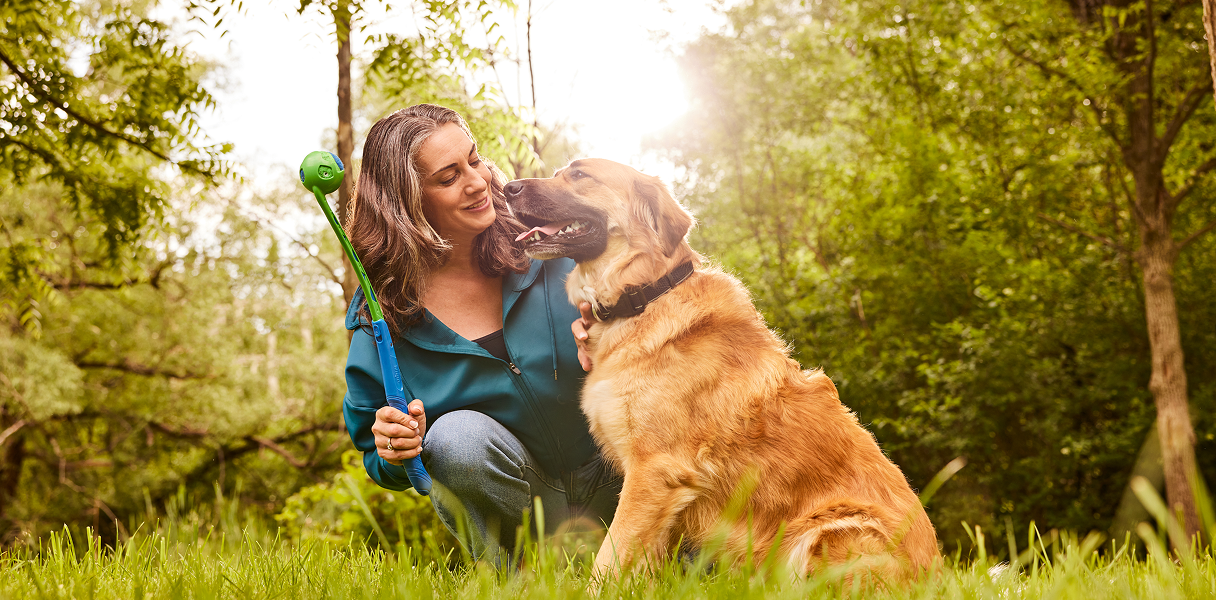
Let’s face it. As much as we wish we could, we can’t always see what’s going on with our dog’s health. That’s why vet visits matter. But how often should you go? It depends, mostly, on their age. Let’s take a look at their three main life stages (puppyhood, adulthood, and senior years) and find out not only how often you should go but:
What your vet is actually looking for during each exam
Which hidden signs mean it’s time to book an early appointment
How to handle unexpected health surprises with total confidence
Welcome to pet parenthood! That first year brings a whirlwind of firsts and vet visits. For most breeds, expect to see your vet every three to four weeks until your pup reaches four months of age. These regular visits help ensure your puppy gets complete vaccinations and deworming treatments, giving you confidence that their immune system is protected so they can get back to playing and exploring. You can also use these visits to get expert advice on questions about nutrition and training.
Once your dog reaches their first birthday, they graduate to annual wellness exams. Think of this as their yearly physical. One annual visit is enough for your vet to:
Give a thorough nose-to-tail check-up
Administer booster shots
Perform screenings for heartworm and tick-borne diseases (which are increasingly common across Canada)
This yearly visit is nothing to bark at: regular checkups help your vet catch dental problems or weight changes before they become uncomfortable and costly issues.
Dogs enter their golden years at different times depending on their breed, but most begin showing their age by about seven years old. Because they can become more susceptible to age-related conditions at this stage, many vets recommend switching to twice-a-year checkups. In addition to their regular visit, you may want to take them to the vet if they show these symptoms:
Stiffness, limping, or reluctance to jump (which could indicate arthritis)
Excessive drinking and frequent urination (possible signs of diabetes)
Not responding as readily to their name, minor changes in behaviours and habits or bumping into things (may signal hearing or vision loss)
More frequent visits give your vet a better chance to proactively manage these conditions and keep your older pup feeling their best. This extra TLC rewards your companion with dignity and comfort. Keep them happy and enjoying their favorite routines for as long as possible.
Life with a dog is full of wonderful surprises, but their daily health shouldn't be a guessing game. To keep your pup feeling their best between vet visits, you can build a strong routine by shopping for preventative care essentials at Pet Valu. However, even with the best daily care, surprises can still happen! A sneaky, non-pet approved snack snatched from the kitchen counter can turn an ordinary afternoon into a costly emergency clinic visit. While these unexpected vet trips are a normal part of being a pet owner, the financial worry that comes with them doesn't have to be. That’s exactly where pet insurance comes in. With a plan from Petsecure, you can focus on what matters most: helping your dog heal instead of worrying about your bank account. If you want the freedom to always say "yes" to the best possible care, get a free quote today to protect your best friend.

What’s pet insurance and how it can help your furry BFF (and you!)
Learn what pet insurance is, how it works, and why early coverage matters. Discover how Petsecure can help protect your pet from unexpected vet costs.